Repairs
Slate roof repair or replacement: what should you ask?
A slipped slate does not tell the whole story. Here is how to have a more useful conversation about repairs, recurring problems and re-roofing.
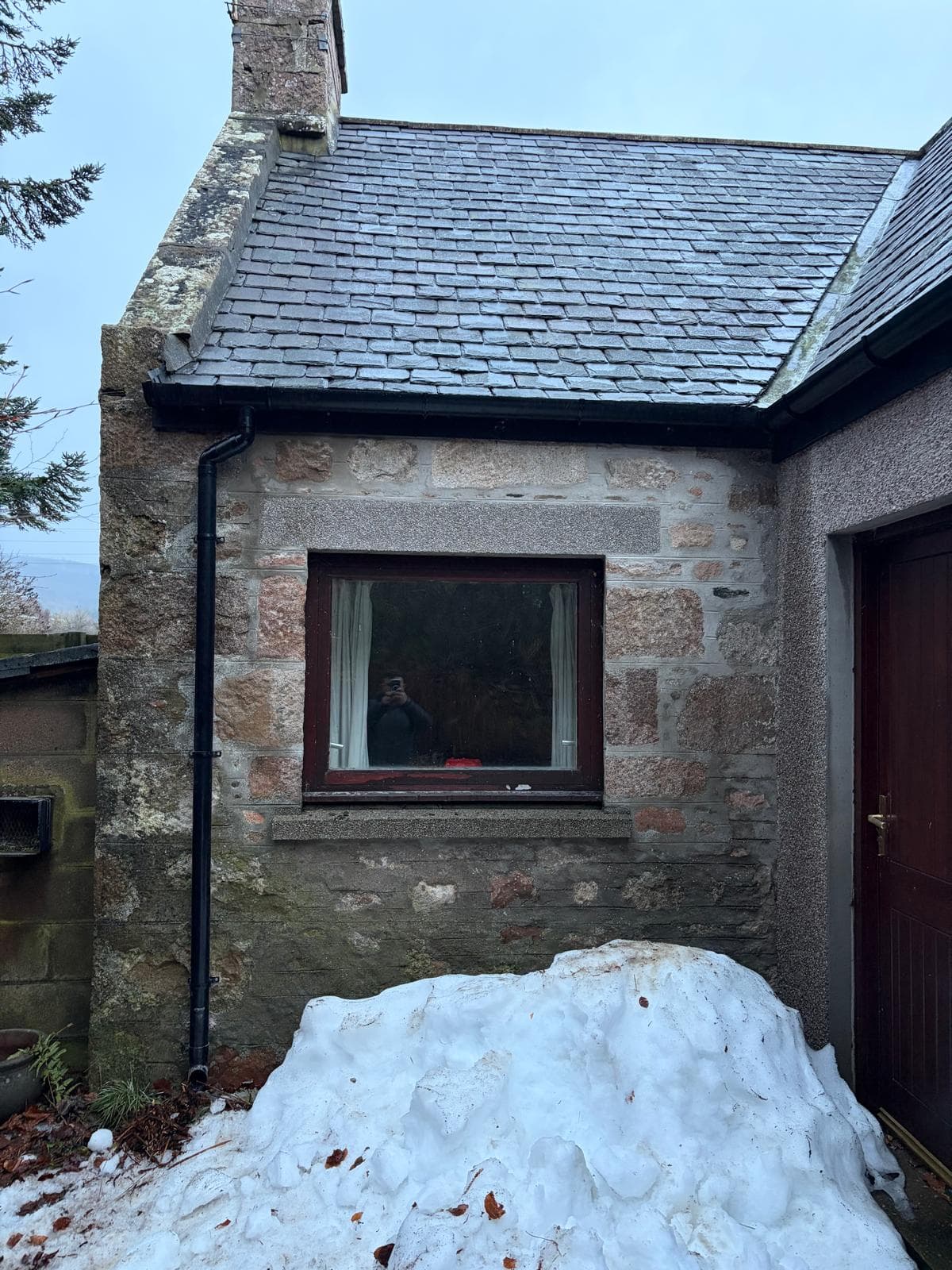
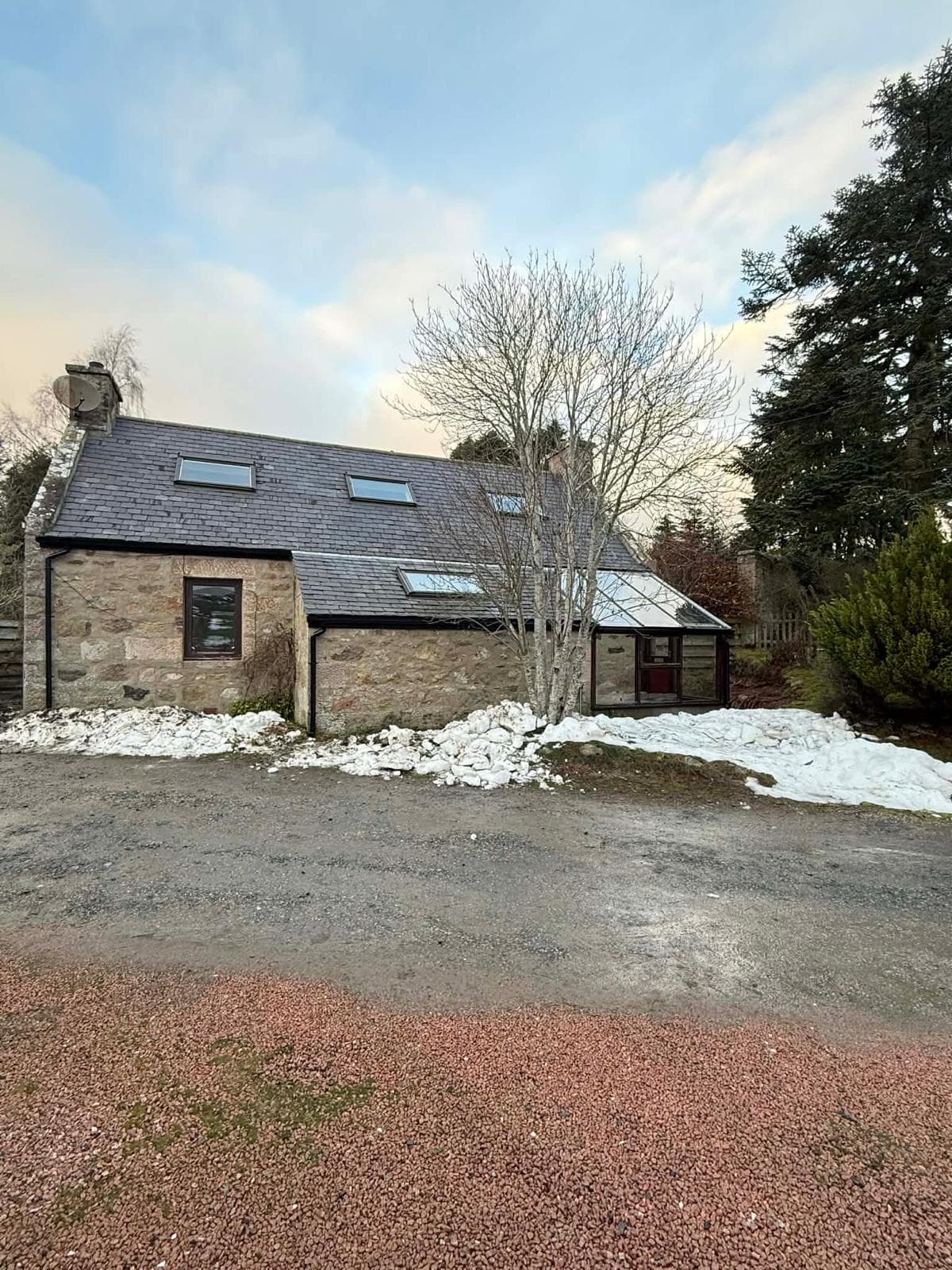
Being told that your slate roof needs work can leave you with two very different questions: can this be repaired, and would a larger job be better value over time? Neither can be answered reliably from a single photograph. A useful inspection should explain the condition of the roof and the reasons for the proposed approach.
Start by asking what has actually failed
Slate, its fixings and the supporting roof do not necessarily deteriorate together. On traditional roofs, corroded nails can allow otherwise serviceable slates to slip. Where failures become widespread, stripping and re-slating may make more sense than repeated individual repairs. Sound original slate can sometimes be reused.
Ask the contractor to describe the problem in everyday language and show photographs where possible. 'The roof is old' is background information; it is not the same as an explanation of which parts have failed. You should be able to understand the proposed work without knowing the names of every roof component.
Further guidance: Historic Environment Scotland: slate roof problems and repairs
Compare a defined repair with a defined larger job
Ask what each option includes, where the work starts and ends, and what would remain untouched. If a repair is proposed, find out what problem it is intended to resolve. If re-roofing is proposed, ask why a local repair would not address the findings.
Keep a record of previous repairs and share it before the inspection. Dates, photographs and invoices help establish whether the same area is returning to the conversation. A contractor should also tell you what is still uncertain and whether further access is needed to assess it.
- What evidence supports the recommended option?
- Which parts of the roof will be inspected or opened up?
- Can suitable existing slate be retained?
- What happens if additional damage is found during the work?
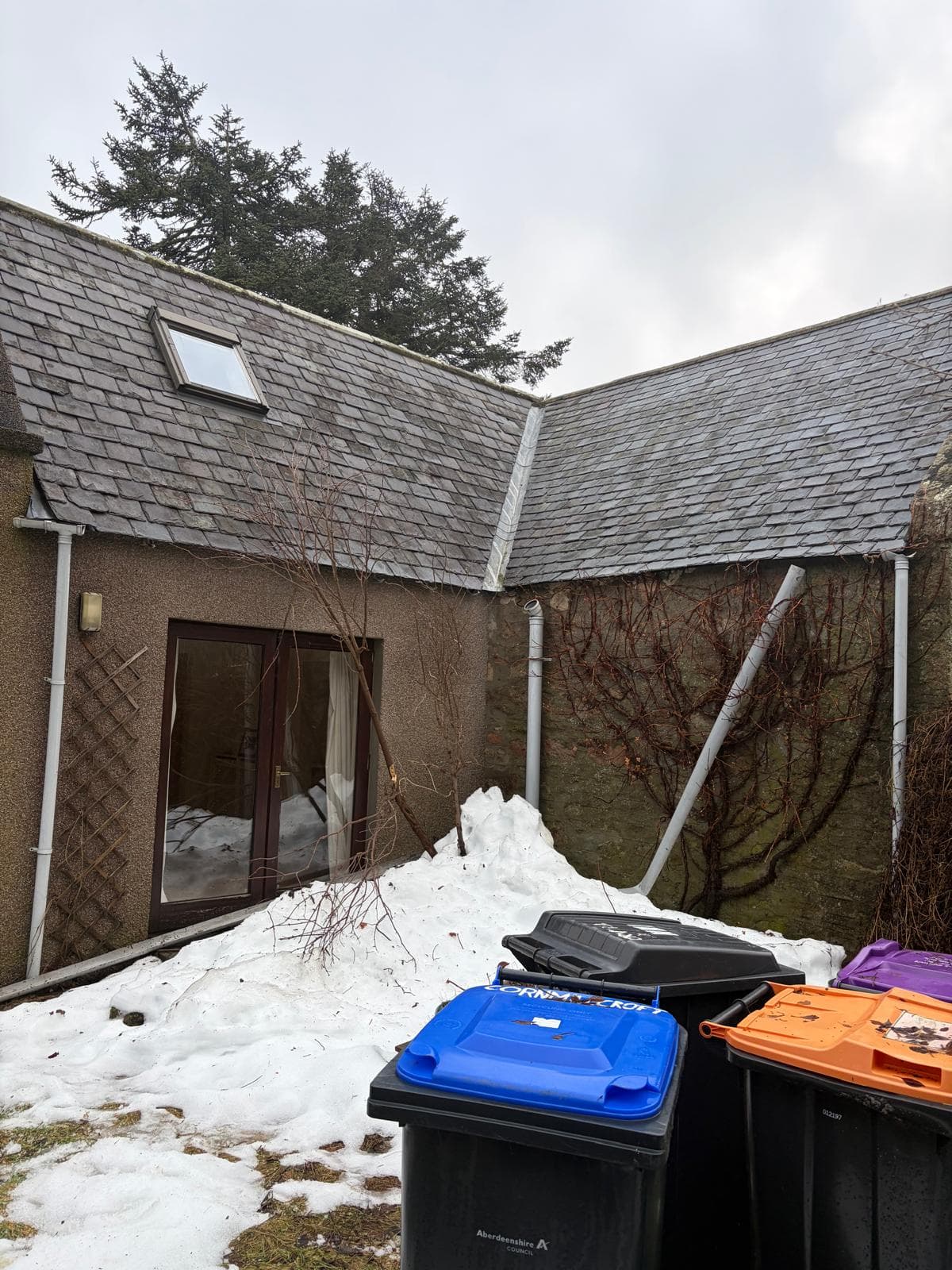
Do not leave the junctions out of the discussion
Leadwork helps weatherproof the places where roofs meet walls, chimneys and other roof slopes. Defects at those junctions can require attention even where the surrounding slates look sound. A roof covering and its adjoining details need to be considered together.
When reading a quotation, look for a clear description of the affected area rather than assuming that 'roof repairs' covers every nearby feature. Ask which junctions form part of the work and whether photographs of those details will be available afterwards.
Further guidance: Historic Environment Scotland: roofing leadwork
Make the quotation useful to your future self
A written scope should help you recognise the work when it is finished. Ask for the proposed materials, access arrangements, waste removal and any exclusions to be set out. Clarify how changes to the scope will be discussed before additional work proceeds.
Also ask who to contact afterwards if you have a question. Keep the final specification, photographs and any warranty documents together. These are more useful than a verbal assurance that the roof has been 'sorted', especially if you sell the property or arrange more work later.