Maintenance
An autumn roof checklist for Aberdeenshire homes
What to look for before winter, what to record, and when to arrange a closer inspection — all starting safely from the ground.

A roof is easy to forget when the rooms beneath it are dry. Before winter arrives, a little attention can help you spot changes and organise any work while there is still time to plan. For a homeowner in Inverurie, Aberdeen or the surrounding shire, the useful first step is a clear record of what the roof looks like today.
1. Start with a view from the ground
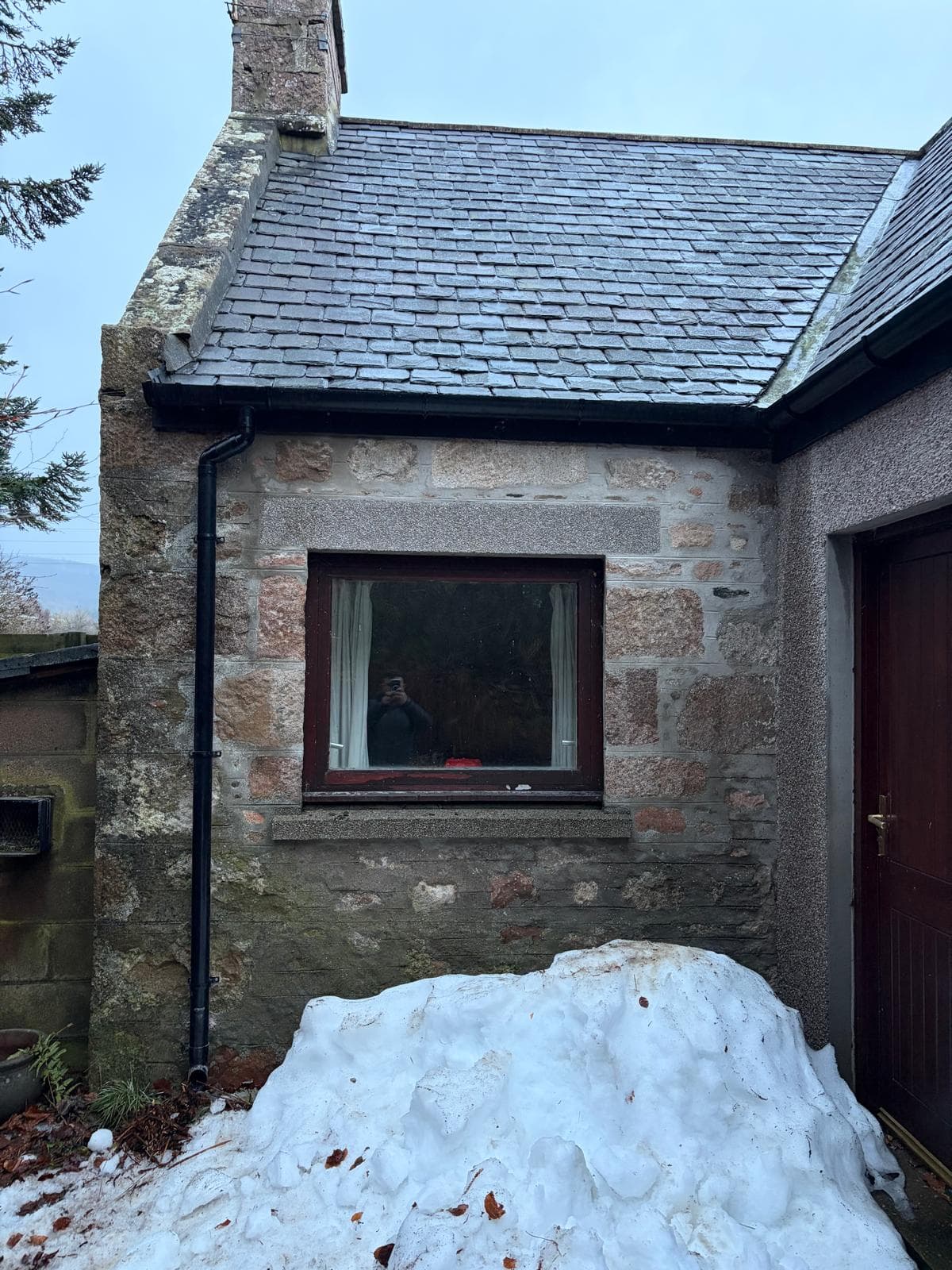
Choose a dry, calm day and look from a safe position around the building. Binoculars or a phone's zoom can help. Look for gaps, slipped slates and pieces of roofing material on the ground. Historic Environment Scotland recommends an autumn check of slate roofs and further checks after storms or gales.
Take an overview photo of each side you can see, then a closer photograph of anything that concerns you. Keep the originals with the date. A picture taken from the same position next time is much more useful than trying to remember whether something has always looked that way.
Further guidance: Historic Environment Scotland: inspecting slate roofs
2. Include gutters and roof junctions
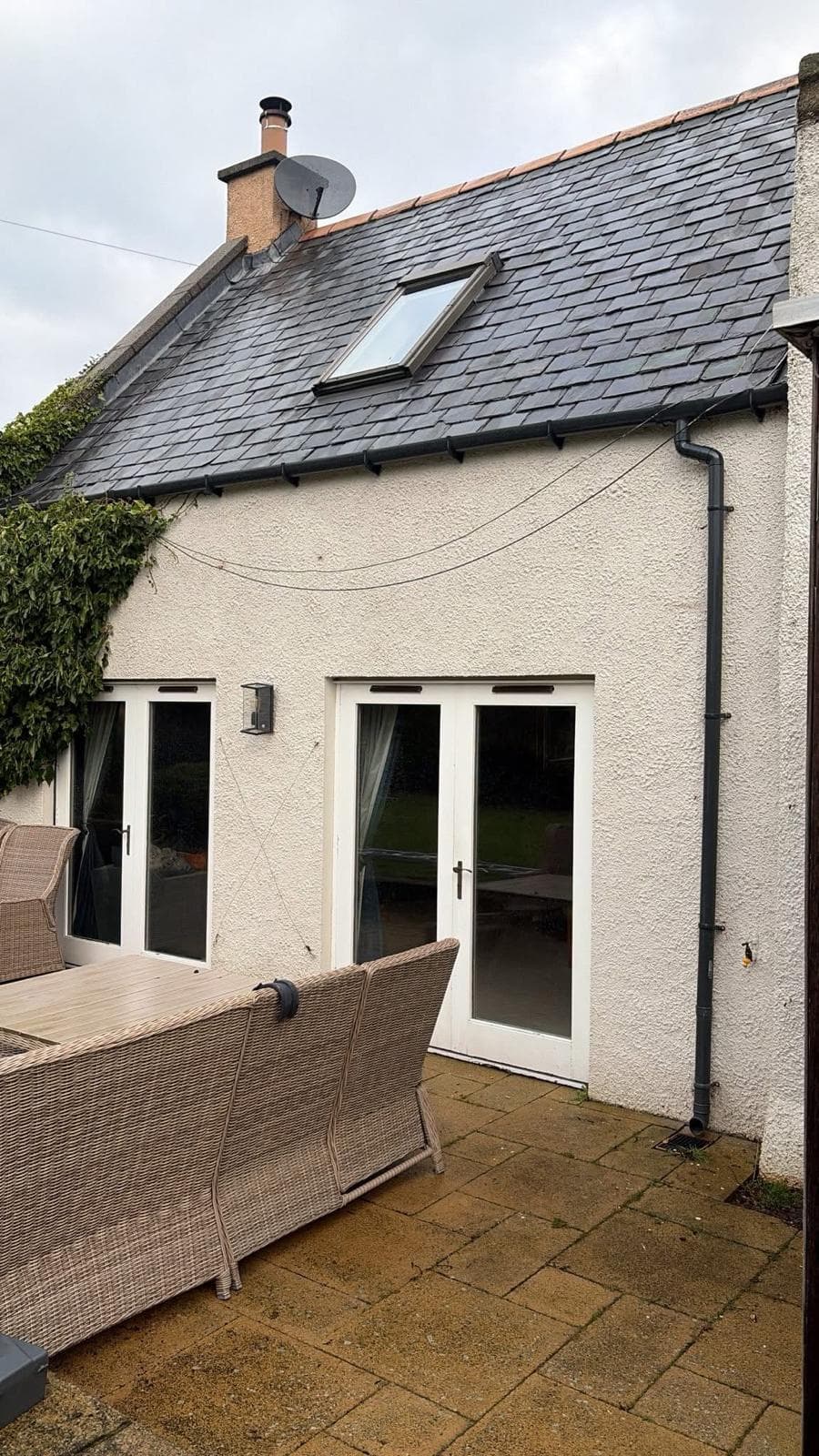
Look beyond the main roof covering. Note visible gutter obstructions, a loose downpipe, or a change around a chimney or rooflight. A contractor can assess the guttering and adjoining roof details during the same visit. Planned maintenance, including gutter clearance, is part of caring for a traditional building.
Make your notes specific: 'rear gutter above the kitchen' is more helpful than 'roof needs attention'. If a section cannot be seen safely, write that down too. An unseen area should stay on the inspection list rather than being assumed to be sound.
Further guidance: Historic Environment Scotland: planned building maintenance
3. Make a note of changes indoors
Check the ceilings in the rooms below the roof for new marks. If the loft can be inspected safely from its normal access, note visible staining on timber. Do not step onto ceiling plasterboard or enter an area with unsafe access. An indoor stain is a reason to investigate, not enough evidence on its own to name the cause.
Record when you first noticed a mark, whether it changes after rain, and whether any recent work has taken place nearby. Share those observations with the person inspecting the property. Avoid painting over a new mark before it has been assessed; a fresh finish can make the history harder to explain.
4. Turn your notes into a clear inspection brief
You do not need to diagnose the roof before asking for help. A short description, a few photographs and the property address are enough to start a useful conversation. Keep people clear of any area where material could fall, and arrange professional help for active leaks or visibly loose roofing.
Ask for an explanation of what needs attention now and what can be monitored. Once work is complete, keep the invoice and photographs together with your original notes. That gives the next inspection a starting point and makes your maintenance history easier to follow.
- Photograph the area and describe where it is on the building.
- Mention active water entry or loose material when making contact.
- Ask what the inspection covers and how findings will be explained.
- Keep a dated record of any recommended and completed work.